
The Life School
1/0
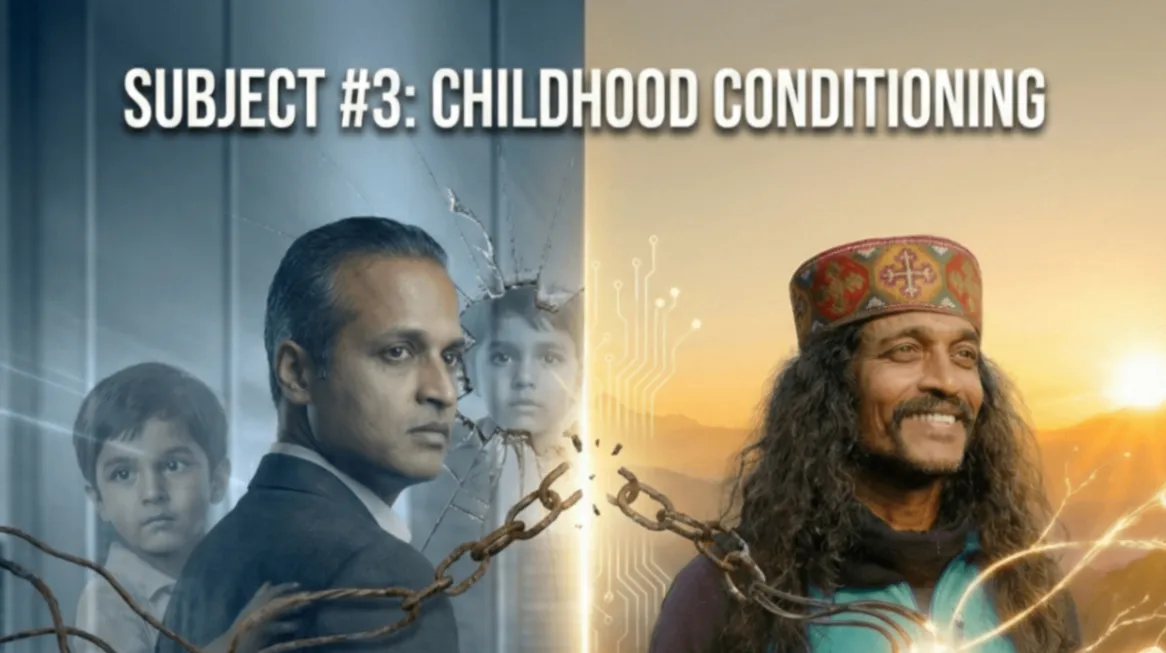
Rewire Your Childhood Conditioning: A Neuroscience-Based Guide to Healing & Thriving
受付は終了しました。またの機会にぜひご参加ください。
23 アイテム
プロダクト による
質問する
説明文
Why This Course?
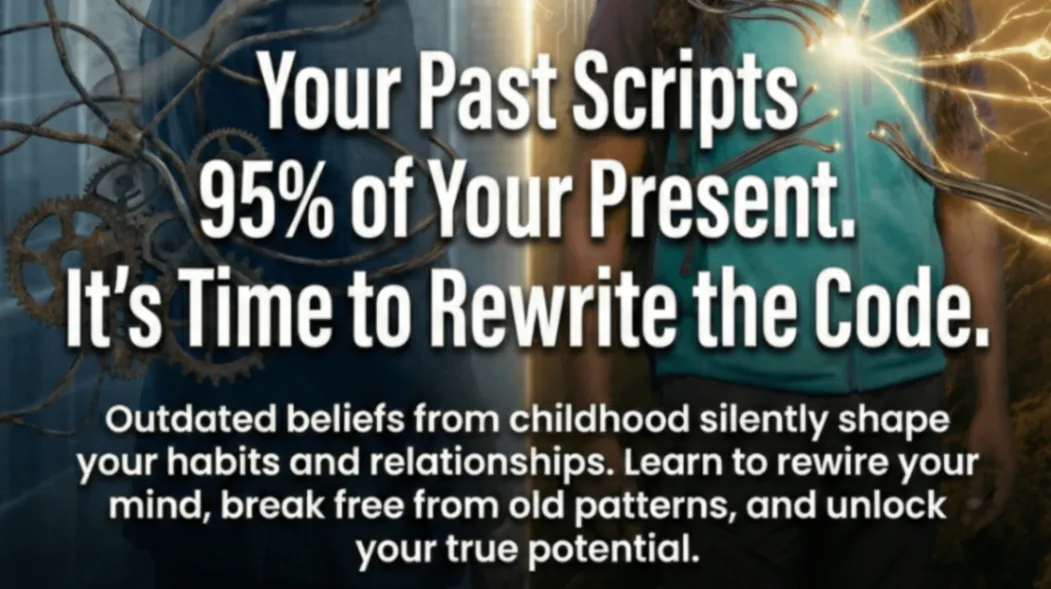
Your childhood wasn’t just memories—it was a biological blueprint that wired your brain for survival. Discover how early experiences shaped your relationships, self-worth, and stress responses… and science-backed tools to rewrite them.
Based on attachment theory, neuroplasticity, and the ACE Study, this course blends personal storytelling with actionable psychology to help you:
Break free from self-sabotaging patterns
Transform triggers into growth opportunities
Build secure, fulfilling relationships
Finally feel "enough" — without proving it
Who Is This For?
🔹 Adults who feel "stuck" in anxiety, people-pleasing, or self-doubt
🔹 Anyone with childhood trauma (big T or little t)
🔹 Parents breaking generational cycles
🔹 Coaches/therapists wanting neuroscience-backed tools
No prior psychology knowledge needed.
What You’ll Learn
✅ The Hidden Wiring of 0-21 Years
How womb environment, childhood trauma, and adolescence shape your adult brain
Why you react to stress/relationships the way you do (it’s not your fault)
✅ Decode Your Conditioning
Identify your attachment style (and how it impacts love/work)
Spot "core beliefs" formed in childhood ("I’m unlovable," "I must be perfect")
Understand the mind-body link: how emotions affect immunity, digestion, and health
✅ Rewire Your Brain
5 neuroscience-backed tools to change old patterns (vagus nerve exercises, memory reconsolidation)
How to calm your nervous system in the moment
Break cycles of avoidance, people-pleasing, or emotional numbness
✅ From Survival to Thriving
Turn childhood coping mechanisms into adult superpowers
Set boundaries without guilt
Build intrinsic self-worth (no more external validation)
Course Content
MODULE 0: YOUR FIRST HOME (THE WOMB)
How prenatal stress/malnutrition alters brain development
Epigenetics: Why your mother’s emotions shaped your stress responses
Biological echoes: Food scarcity → adult resource anxiety
SECTION 1: 0-7 YEARS - THE BLUEPRINT
Attachment science: How your caregiver bond wired your relationships
Core belief formation: "I’m safe" vs. "I must earn love"
Case Study: How childhood neglect manifests as adult self-sabotage
SECTION 2: 7-14 YEARS - THE SOCIAL BRAIN
Peer rejection = physical pain (dorsal anterior cingulate cortex)
School labels → identity: "Why 'slow learner' stuck harder than grades"
Bedwetting story: How shame becomes somatic memory
SECTION 3: 14-21 YEARS - RISK & REINVENTION
Romantic love as motivation: The dopamine-validation loop
Failure at 15 → Avoidance at 35: Rewiring academic trauma
Runaway to Mumbai: How crisis shapes prefrontal cortex resilience

これを手に入れることで、次のものも開放します
コミュニティへのアクセス
新着情報
77 投稿
独占コンテンツ
3 イベント
Whatsapp グループ